
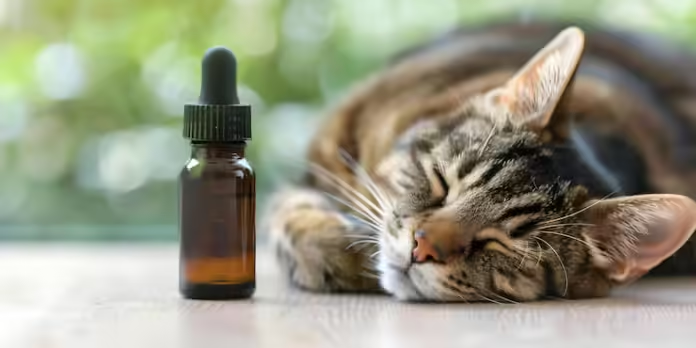

CBD oil affects mammals through endocannabinoid systems that exist across species. Dogs and cats both have these systems. Pet owners increasingly use CBD products to tackle animal health problems from anxiety to chronic pain. Species-specific differences in CBD metabolism matter hugely when owners consider pet supplementation. You can check here before giving pets CBD because dosing differs substantially from human applications.
CBD mechanisms in dogs
Dogs have endocannabinoid systems remarkably similar to those of humans. This makes CBD research in canines more developed than in other companion animals. Multiple receptor interactions determine how CBD affects dogs. Metabolic pathways play a role, too.
Endocannabinoid receptor interactions in canines:
- CB1 receptors are densely packed in the dog’s brain. The central nervous systems contain high concentrations. These manage pain perception. They handle mood. Memory formation depends on them. Motor control runs through them.
- CB2 receptors are spread through immune cells. Peripheral tissues contain them. They adjust inflammatory responses. Immune system function gets modulated by them.
- Vanilloid receptors in pain pathways interact with CBD. This changes how dogs process pain signals from injuries or chronic conditions.
- CBD influences serotonin receptors. They help reduce anxiety. Mood stabilizes in stressed or anxious dogs.
Canine metabolism and bioavailability factors:
- Liver enzyme systems metabolize CBD in dogs. Variation exists between individuals based on breed. Size matters. Age plays a role. Overall health affects processing.
- Oral CBD gets absorbed through the gastrointestinal tract. Bioavailability changes depending on the presence of food. Empty stomachs alter absorption.
- CBD is fat-soluble. Absorption improves when given with meals containing dietary fats.
- Elimination half-life usually runs four to six hours. Multiple daily doses become necessary for sustained effects.
Common canine applications showing response:
- Osteoarthritis pain management works well. Larger breeds prone to joint degeneration benefit particularly.
- Separation anxiety gets addressed. Noise phobias during thunderstorms or fireworks respond.
- Seizure frequency drops in epileptic dogs. This works as an adjunct to traditional anticonvulsant medications.
- Anti-inflammatory properties improve inflammatory bowel disease symptoms.
CBD mechanisms in cats
Feline endocannabinoid systems operate differently from canine systems. Distinct considerations emerge when administering CBD to cats. Cats metabolize compounds in unique ways. This means adjusted dosing becomes necessary. Careful monitoring matters.
Endocannabinoid receptor distribution in felines:
- CB1 receptor densities in cats differ from those in dogs. CB2 densities vary, too. This affects how powerfully CBD impacts various body systems.
- Cats demonstrate higher cannabinoid sensitivity generally. They need lower doses than dogs of comparable weight.
- Feline brain receptor patterns indicate stronger anxiety effects. Stress responses get hit more intensely than in canines.
- Peripheral receptor distribution in the cat immune system creates pronounced anti-inflammatory potential.
Feline-specific metabolism considerations:
- Cats lack certain liver enzymes that dogs have. Humans have them too. This creates slower CBD metabolism. Effects last longer.
- Deficient glucuronidation pathways exist in cats. CBD compounds hang around longer in feline systems compared to other species.
- Lower doses work effectively in cats compared to dogs. Metabolic differences explain this. Heightened cannabinoid sensitivity plays a role.
- Lipid-based CBD formulations get absorbed better in cats. Their carnivorous digestive systems are adapted for metabolising fat.
Common feline applications and responses:
- Chronic pain is managed in conditions like degenerative joint disease. Senior cats particularly benefit.
- Stress reduces during environmental changes. Moving causes stress. New pets disrupt routines. Household changes trigger anxiety.
- Inflammatory conditions get addressed. Pancreatitis responds. Inflammatory bowel disease improves.
- Appetite stimulation in cats dealing with chronic illness or undergoing medical treatments.
CBD oil operates through endocannabinoid system interactions present in both dogs and cats. Metabolic differences between species require adjusted dosing. Careful monitoring becomes essential. Veterinary consultation remains necessary before beginning CBD supplementation in pets.