

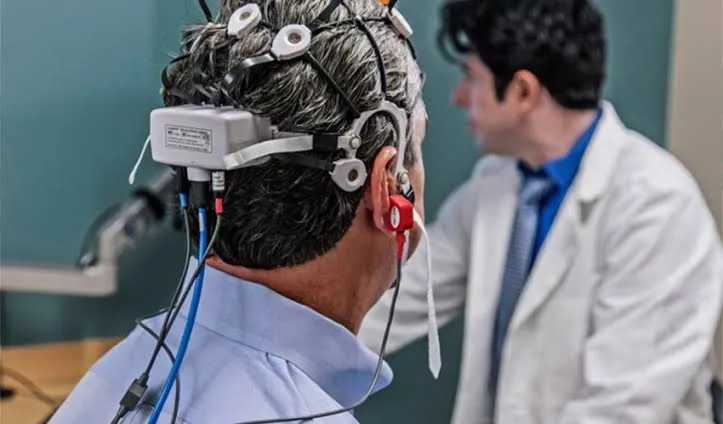
A car crash can leave you feeling fine at the scene, only for strange symptoms to appear days later. Fog in your thinking, dizziness when you stand, and discomfort around bright lights are common complaints after a collision, and they are easy to dismiss as stress. In many cases, they point to a brain injury that deserves proper attention. Understanding why these symptoms happen helps you act sooner and recover more fully. If you are searching for Concussion Treatment Kansas City, this guide explains what may be going on.
Why a Crash Can Injure the Brain Without a Head Impact
Many people assume a concussion requires hitting your head, but that is not true. During a collision, your body is thrown forward and then snapped back, which makes the brain move inside the skull. This sudden motion can stretch nerve fibers and disrupt the chemical balance that brain cells rely on. Seatbelts and airbags protect you from many injuries, yet they cannot stop this internal movement. Because the damage is not visible on the surface, symptoms like fog, dizziness, and light sensitivity are often overlooked for days or even weeks afterward.
What Brain Fog Really Feels Like
Brain fog after a crash is more than simple tiredness. You may struggle to find words, lose track of conversations, forget why you walked into a room, or feel mentally slow at work. Once easy tasks can suddenly feel exhausting. This happens because an injured brain needs extra energy to heal, leaving less available for focus and memory. Poor sleep and stress can make the fog worse. If thinking problems last beyond a few days or begin interfering with daily life, a professional evaluation is a wise next step.
Why Dizziness Often Follows a Collision
Dizziness is one of the most frequent complaints after a crash, and it can come from several sources. The injury may affect the brain areas that manage balance, or it may involve the inner ear and the neck. You might feel lightheaded when standing, unsteady while walking, or as if the room is spinning. Turning your head quickly or scanning a busy store can trigger symptoms. Identifying the exact cause matters, because each source of dizziness usually responds best to a different type of targeted care.
Understanding Light Sensitivity After a Head Injury
Light sensitivity, also called photophobia, makes ordinary brightness feel painful or overwhelming. Fluorescent bulbs, phone screens, and sunlight may trigger headaches, eye strain, or nausea. After a concussion, the brain processes visual information less efficiently, so bright input can overload an already irritated system. Many people respond by wearing sunglasses indoors or avoiding screens altogether, which feels helpful in the moment. However, staying in the dark for too long can slow recovery, so a careful, guided plan for gradually rebuilding tolerance is usually the better approach.
Other Warning Signs You Should Not Ignore
Fog, dizziness, and light sensitivity rarely appear alone. Headaches, ringing in the ears, irritability, trouble sleeping, and sensitivity to noise often travel with them. Some people notice neck pain or blurred vision as well. Certain symptoms need urgent care, including repeated vomiting, worsening confusion, severe headache, slurred speech, or weakness in the limbs. If any of these occur, go to an emergency room immediately. For milder but persistent symptoms, scheduling an assessment soon after your crash gives you the best possible chance of catching problems early.
How Recovery Care Can Help
Recovery usually works best with a personalized plan rather than complete rest. A trained provider can test balance, eye movement, neck function, and thinking skills to find what is driving your symptoms. Treatment may include gentle exercise, vestibular therapy, visual training, and hands-on care for the neck. Progress is monitored closely so activity increases at a safe pace. Rest still matters in the first days, but guided movement tends to support healing better than waiting passively. Most people improve with the right support and clear expectations.
Conclusion
Foggy thinking, dizziness, and light sensitivity after a crash are signals worth taking seriously, not problems to wait out alone. Early evaluation and a tailored plan can make recovery smoother and shorter. Impact Injury Rehab helps crash survivors understand their symptoms and rebuild with confidence through personalized, hands-on care. To learn more or schedule an assessment, visit Impact Injury Rehab and take the first step toward feeling like yourself again. Your brain deserves expert attention, and the sooner you get help, the sooner clarity, balance, and comfort can return.