

Neglecting cleaning routines is one of the fastest ways to shorten the life of stimulation gear, yet it’s the step most people skip once the initial excitement wears off. A tDCS headset or headband collects oils, sweat, and dust faster than most users expect, and letting that buildup sit eventually affects comfort and contact quality.
None of the upkeep involved is difficult, but it needs to happen regularly rather than whenever someone remembers.
Why Regular Cleaning Matters
Skin naturally produces oils and sweat, and both accumulate on anything that touches the scalp repeatedly. Left alone, this residue creates uneven surfaces that affect contact.
There’s a hygiene angle too. Bacteria and odor build up on materials that stay damp between uses, which is exactly the environment sponges and headbands sit in.
Cleaning the Headband
Wipe the headband with a damp cloth after each session to remove sweat and oil before it settles in. Avoid harsh chemicals, since they can break down elastic fabric faster than people realize.
A mild soap solution works well for a deeper clean every week or two. Just make sure everything dries completely before storage.
Caring for Sponges
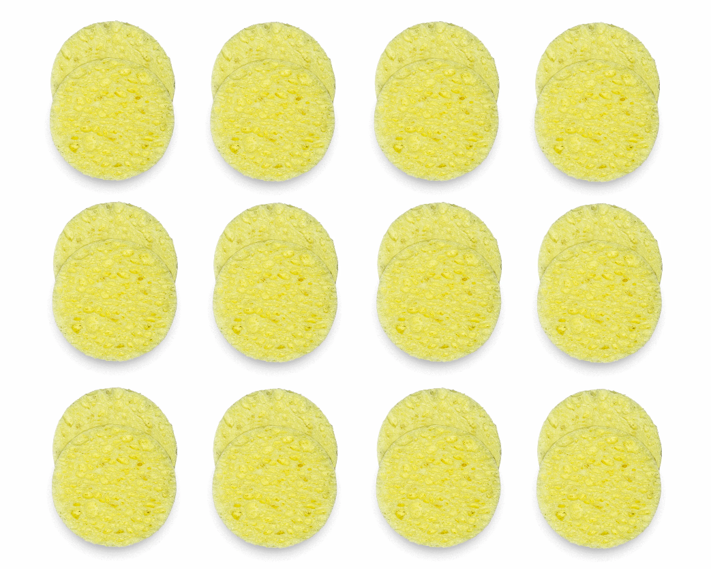
Electrode sponges need gentler treatment than the rest of the kit because they handle the actual skin contact. Rinse them under lukewarm water after use, without wringing too aggressively, to keep the fibers intact.
Let them air-dry completely between uses. Replace them when they feel stiff, thin, or frayed, or when they no longer hold moisture evenly.
Caring for Electrodes and Cables
Rubber electrodes can be wiped clean with a damp cloth and dried before storage. Check the surface for cracks or residue that might affect contact.
Keep cables loosely coiled rather than tightly wound, since tight wrapping can cause internal fraying that isn’t visible from the outside. If a cable shows wear at the connector ends, a replacement wire set is a simple fix.
Storing Gear Between Sessions
A dry, ventilated case beats a drawer where humidity and dust collect. Bathroom storage in particular exposes gear to more moisture than people realize.
If the device will sit unused for a few weeks, removing the battery also protects the contacts from leaks.
Spotting Early Signs of Wear
Cracked electrodes, frayed cable ends, or sponges that dry out unevenly are all signs that replacement is coming, even if the part still technically works.
A quick weekly check of connector ends, and the points where wires meet the electrodes, catches small issues before a weak connection interrupts a session.
Setting a Realistic Cleaning Schedule
Wiping surfaces after every session and doing a deeper clean weekly strikes a reasonable balance. Overly elaborate routines tend to be abandoned within a few weeks.
Pairing maintenance with an existing habit, like a Sunday equipment check alongside other weekly chores, makes it far more likely to happen.
Frequently Asked Questions
How often should I clean my tDCS headband?
Wipe it down after each session and give it a deeper clean with mild soap every week or two, letting it dry completely before storage.
Can I put tDCS sponges in the washing machine?
It’s best to rinse them gently by hand under lukewarm water. Machine washing can break down the fibers faster.
How do I know when electrodes need replacing?
Look for cracks, stiffness, or surface damage, and replace them if contact feels inconsistent even with fresh, well-moistened sponges.
Conclusion
Keeping accessories clean isn’t glamorous work, but it’s the quiet foundation of comfortable, consistent sessions. Skipping it doesn’t cause immediate problems, but the wear adds up.
For guidance on cleaning, replacement timing, and storage, thebraindriver.com offers detailed resources.