
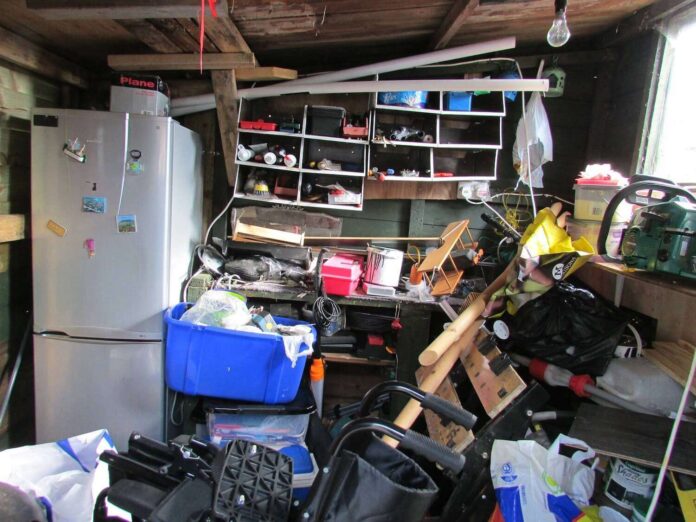

Helping a loved one deal with a hoarding situation is one of the most emotionally challenging things a family can go through. The clutter did not pile up overnight, and clearing it out involves much more than throwing things away. Feelings run high, relationships get tested, and the whole process can feel overwhelming before it even starts. Professional hoarding cleanup assistance makes a huge difference, but families play an important role in preparing for the big day.
A little preparation goes a long way toward making the cleanup smoother for everyone involved, especially the person whose home is being cleared. Understanding what to expect and how to help creates a better experience and sets the stage for lasting change.
What Should Families Do Before a Hoarding Cleanup Begins?
Families should have honest conversations with their loved ones, gather important documents, identify sentimental items worth saving, prepare emotionally for the process, and coordinate with the cleanup team about expectations and timeline. Proper preparation reduces stress, prevents conflicts during cleanup, and helps ensure nothing important gets accidentally discarded.
Having the Right Conversations Early
Before any cleanup crew shows up, families need to talk openly with their loved one about what is going to happen. Springing a cleanup on someone without discussion almost always backfires and can damage relationships for years. The person living in the home needs to feel involved in the process, not attacked or ambushed.
Approaching the Topic with Compassion
Hoarding is not laziness or stubbornness. Mental health professionals recognize it as a real condition that involves deep emotional attachments to possessions and genuine distress about letting things go. Approaching the conversation with judgment or frustration usually makes things worse.
Here is how to start the conversation the right way:
- Lead with love and concern: Focus on their safety and health rather than criticizing the mess
- Listen before you speak: Let them share fears about the cleanup and feelings about their belongings
- Skip the ultimatums: Threats push people away from accepting help instead of toward it
- Take it slow: Accepting help takes time, and rushing the conversation usually backfires
- Involve them in planning: Ask for their input on timing, what to keep, and how they want things handled
When your loved one feels heard and respected, they are much more likely to cooperate with the cleanup process and stay engaged throughout.
Understanding What Professional Cleanup Involves
Many families have never worked with hoarding cleanup services before and have no idea what to expect. Knowing how the process works helps everyone prepare mentally and logistically for what is coming.
The Initial Assessment
Most professional cleanup companies start with a walkthrough assessment of the home. They look at the volume of items, identify potential hazards like mold or pest infestations, and develop a plan for tackling the project. This assessment helps them provide accurate cost estimates and timelines.
During this visit, families should ask about:
- How long will the entire cleanup realistically take
- How many crew members will work on the project each day
- What happens to items removed from the home
- How they handle valuable or sentimental items they discover
- What safety gear or precautions do they use during work
How Sorting and Decisions Work
Professional crews sort items into categories as they move through each room. The standard categories include keep, donate, recycle, and discard, though some companies customize based on the situation.
The sorting process typically works like this:
- Keep pile: Items the homeowner wants to retain go to a designated safe area
- Donate pile: Usable items in good condition get set aside for charity pickup
- Recycle pile: Paper, cardboard, plastics, and metals get separated for recycling
- Discard pile: Broken, damaged, or unsanitary items go straight to disposal
- Decision pile: Items needing homeowner input get set aside for review
The best hoarding solutions involve the person whose home is being cleaned whenever possible. Complete exclusion from the process can feel traumatic and may lead to re-accumulation later.
Preparing the Home and Gathering Essentials
A little preparation before the crew arrives makes the first day go much more smoothly. Taking care of certain tasks ahead of time lets the professionals focus on the actual cleanup rather than preliminary logistics.
Documents and Valuables to Secure
Before cleanup day, locate and remove these important items:
- Birth certificates, passports, and social security cards
- Financial records, tax returns, and bank statements
- Medical records and insurance information
- Legal documents like wills, deeds, and contracts
- Family photos and irreplaceable keepsakes
- Jewelry, cash, and small valuables
- Current medications and prescription bottles
Having these items safely set aside prevents the panic of wondering if something important got thrown away accidentally.
Getting the Space Ready
Help the cleanup crew hit the ground running with these practical steps:
- Clear a path to the entrance: Make sure they can actually get inside with the equipment
- Turn on utilities: Working lights, water, and climate control help the crew work efficiently
- Note specific hazards: Let them know about broken stairs, pest problems, or structural concerns
- Arrange pet care: Keep animals elsewhere during the cleanup for everyone’s safety
- Set up alternative housing if needed: Severe situations may require your loved one to stay somewhere else temporarily
Emotional Preparation for Everyone Involved
The physical cleanup is only part of the challenge. The emotional side of hoarding cleanup often catches families off guard, even when they think they are ready for it.
Supporting Your Loved One Through Hard Moments
Watching belongings get removed from their home can trigger intense emotions for someone with a hoarding disorder. Expect tears, anger, anxiety, and possibly attempts to stop the cleanup entirely.
Ways to provide emotional support include:
- Stay calm and reassuring: Your steady presence helps them feel safer during overwhelming moments
- Take breaks when emotions spike: Pushing through intense distress usually makes things worse
- Celebrate progress along the way: Point out cleared spaces and acknowledge how hard they are working
- Remind them why this matters: Gently refocus on benefits like safety, health, or being able to have guests again
- Have backup support available: A therapist, counselor, or trusted friend on call can help during crisis moments
Do Not Forget About Yourself
Family members often underestimate how draining hoarding cleanup can be for them, too. Seeing the full extent of the situation, managing emotions from their loved ones, and handling logistics all take a serious toll.
Take care of yourself during this process:
- Get enough sleep each night, even when stress runs high
- Eat regular meals and stay hydrated throughout cleanup days
- Step outside for fresh air when feeling overwhelmed
- Talk to someone about your own feelings and frustrations
- Accept that you cannot control everything about the process
Working Effectively with the Cleanup Team
Good communication with the hoarding cleanup services team makes everything run more smoothly. They have experience with these situations and can offer valuable guidance, but they need information and cooperation from the family.
Setting Clear Expectations Upfront
Before cleanup begins, get everyone on the same page about goals and boundaries. Discuss what categories of items should always be saved, what can go without asking, and how decisions get made about questionable items.
Helpful things to establish early:
- Designate one family contact: This prevents confusion from multiple people giving different instructions
- Create a list of must-save items: Specific descriptions help the crew watch for important things
- Agree on decision-making authority: Know who has final say when disagreements arise
- Set daily check-in times: Regular updates keep everyone informed about progress
Staying Flexible When Plans Change
Even the best plans need adjustment once work actually begins. The crew might discover hidden problems like water damage or pest infestations that change the timeline. Items thought to be trash might turn out to be valuable, or vice versa. Hoarding solutions work best when everyone stays flexible and adapts as new information comes to light.
Planning for Life After the Cleanup
The work does not end when the last truck pulls away. Preventing re-accumulation requires ongoing effort and often professional support. Start thinking about aftercare before the cleanup even finishes.
Helpful resources to arrange include:
- Therapy sessions: Mental health professionals experienced in hoarding can address underlying issues
- Organizing follow-ups: Professional organizers can help maintain new systems
- Support groups: Connecting with others facing similar challenges provides ongoing encouragement
- Regular family check-ins: Supportive contact without being intrusive helps maintain progress
Conclusion
Preparing for a hoarding cleanup takes effort, but that preparation pays off in a smoother process and better outcomes. Open communication, practical preparation, emotional readiness, and good teamwork with professionals all contribute to success. The goal is not only a clean home but a fresh start that helps your loved one move forward more healthily.
LifeCycle Transitions provides compassionate hoarding cleanup assistance for families facing difficult situations. The team understands the emotional complexity of hoarding and approaches every project with sensitivity and respect. Clients trust them because they treat every person and every home with genuine care.
Contact LifeCycle Transitions today for a confidential consultation and compassionate support.
FAQs
What should families do before a hoarding cleanup team arrives?
Families should confirm safety risks, decide who will be present, gather essential documents and medications, communicate priorities and boundaries with the company, and prepare emotionally for difficult decisions together.
How can families prepare emotionally for a professional hoarding cleanup?
Families can prepare emotionally by discussing goals in advance, agreeing to avoid shaming language, planning breaks, arranging outside support, and reassuring the person that decisions will be collaborative, not forced.
What information should families share with the cleanup company beforehand?
Families should share photos if possible, describe health issues, pets, utilities, known biohazards, access problems, must‑keep items, and any legal or landlord deadlines so the company can design a realistic plan.
Should children or vulnerable family members be present during hoarding cleanup?
Children and vulnerable relatives are usually better kept away, because noise, odors, and emotional tension can be overwhelming; arrange childcare or support visits and involve them later once spaces feel safer.
How can families protect important items when professionals are cleaning?
Families can create written “must‑keep” lists, pre‑gather vital documents, medications, heirlooms, and electronics, clearly label protected areas, and check in regularly with the supervisor about sentimental or high‑value possessions.