

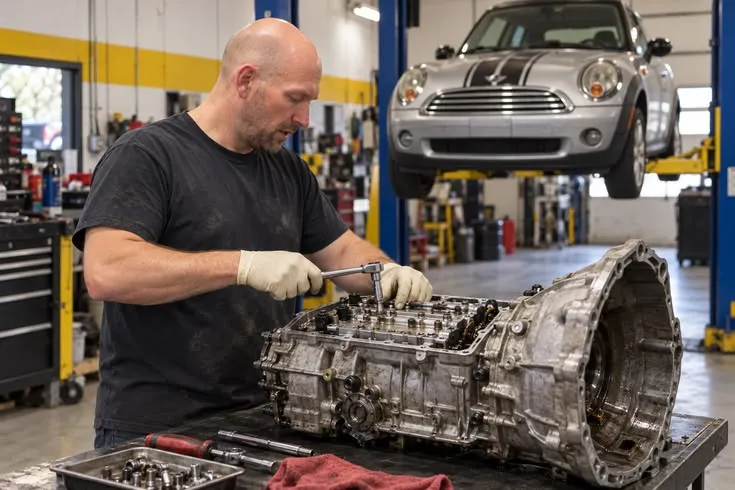
A vehicle that hesitates before accelerating or shifts roughly between gears can make an ordinary drive uncomfortable. These symptoms sometimes appear gradually, making drivers uncertain whether they indicate a serious fault or a temporary change in performance. Professional transmission repair woodstock services can help identify the underlying problem before unnecessary parts are replaced. Understanding the difference between normal transmission behavior and concerning symptoms helps motorists make informed maintenance decisions and avoid continuing to drive when a developing fault could cause further damage.
Recognizing Changes in Gear Engagement
Automatic transmissions normally change ratios according to driving speed, engine load, and electronic controls. A noticeable delay after selecting Drive or Reverse may indicate a problem with fluid pressure, internal components, or the transmission control system.
Occasional behavior changes do not establish a diagnosis. However, repeated hesitation, unexpected surging, or a sensation that the engine is revving without corresponding acceleration deserves attention. Drivers should describe the circumstances accurately rather than attempting to identify a failed component themselves.
Distinguishing Normal Sounds From Warning Signs
Vehicles produce different sounds during acceleration and shifting, but unfamiliar whining, grinding, or clunking may suggest developing mechanical problems. The source could involve the transmission, drivetrain, engine mounts, or related components.
Pay attention to when the noise occurs. A sound limited to turning may have a different cause from one that appears during gear engagement. Recording the pattern helps technicians narrow their investigation without relying on assumptions.
Understanding the Importance of Transmission Fluid
Transmission fluid performs several functions, including lubrication, cooling, and hydraulic operation in many automatic systems. Deteriorated or insufficient fluid may affect performance, although fluid condition alone does not explain every shifting concern.
Manufacturers specify different fluid types and service procedures. Some transmissions require specialized temperature-based checking methods, and incorrect fluid can cause damage. Drivers should follow the vehicle’s maintenance recommendations instead of purchasing a universal fluid or requesting an unnecessary flush.
Preparing for a Diagnostic Appointment
When transmission symptoms appear, a clear account of the problem is often more useful than guessing which part needs replacement. Note whether the issue occurs when the vehicle is cold, after prolonged driving, or during acceleration.
Before scheduling an appointment, collect these details:
-
Vehicle make, model, year, and mileage.
-
When the shifting problem first appeared.
-
Whether warning lights are illuminated.
-
Recent transmission maintenance or repairs.
-
Any visible fluid leaks or unusual smells.
These observations help a technician plan appropriate diagnostic steps. Avoid deliberately reproducing a dangerous symptom, especially when the vehicle is slipping severely or struggling to move.
What a Professional Assessment May Include
A thorough vehicle inspection woodstock appointment can provide an opportunity to review concerns about transmission performance alongside other relevant vehicle systems. The exact diagnostic work should depend on the symptoms reported.
Technicians may scan control modules, inspect accessible fluid leaks, check electrical connections, and evaluate transmission operation. Some faults require additional testing before a reliable recommendation is possible. A scan code should guide investigation rather than automatically justify replacing a component.
Knowing When Driving Should Stop
Some transmission problems become progressively worse when a vehicle continues operating. Severe slipping, an inability to engage gears, significant fluid loss, or evidence of overheating can make further driving unwise.
If the vehicle cannot accelerate predictably or maintain safe movement, stop in an appropriate location and arrange professional assistance. A tow may prevent additional damage and reduce the possibility of becoming stranded in traffic. Continuing a journey simply to reach a preferred workshop may create greater risk.
Comparing Repair and Replacement Decisions
Transmission problems do not always require complete replacement. Depending on the diagnosis, repairs may involve sensors, seals, fluid-related issues, control components, or internal mechanical work.
Before authorizing major repairs, request an explanation of the confirmed fault, proposed work, warranty, and total estimate. For older vehicles, consider the repair cost alongside overall condition and expected future use. An informed decision requires more than comparing the price of individual components.
Conclusion
Transmission warning signs deserve attention because similar symptoms can result from different mechanical or electronic faults. Accurate diagnosis, manufacturer-approved maintenance, and timely repair decisions help drivers avoid unnecessary expenses and potential breakdowns. Motorists around Woodstock and Cherokee County can review transmission maintenance and diagnostic services through artofspeedga.com when arranging an assessment of unusual shifting, fluid leaks, or changes in vehicle performance.