

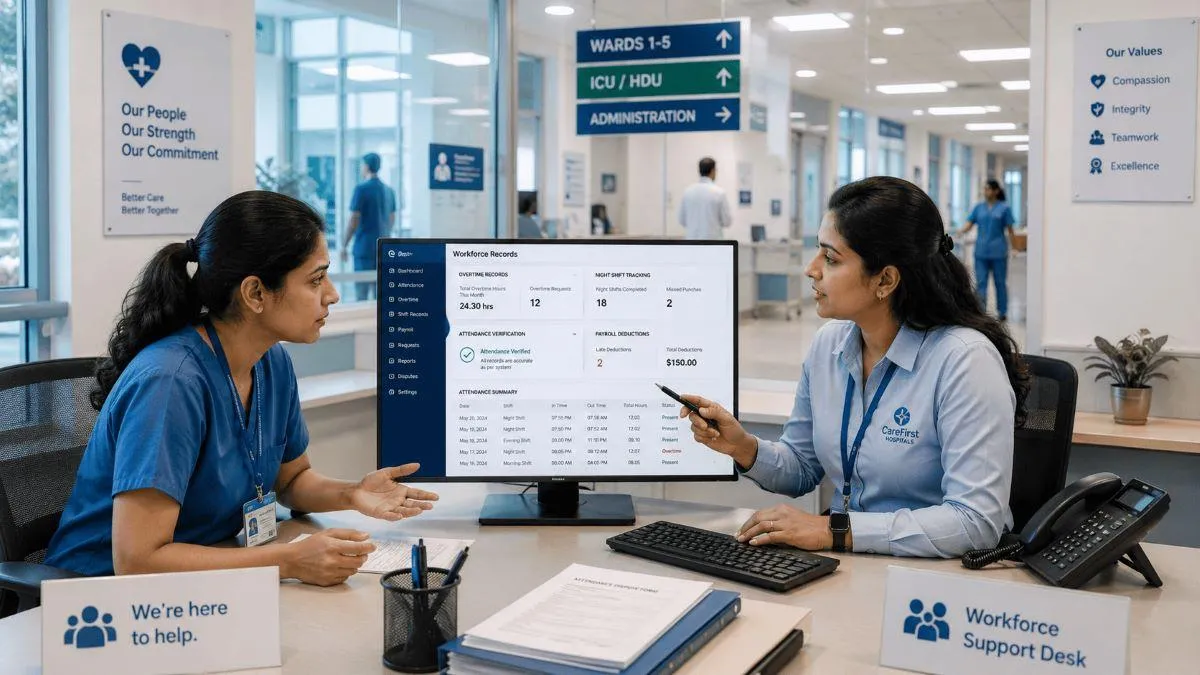
A busy clinic can appear fully staffed while its administrative systems are struggling behind the scenes. Employees swap shifts, new hires start midway through a pay period, and managers approve overtime after the original schedule has changed. Each adjustment affects more than staffing coverage. It can influence payroll accuracy, employee confidence, and the time administrators spend resolving questions. Houston healthcare practices face particular coordination challenges when clinical and nonclinical employees follow different schedules. Rather than treating workforce administration as an occasional paperwork exercise, practice leaders need a consistent approach that connects daily scheduling decisions with accurate employment records and timely compensation.
Identify Hidden Staffing Pressure Points
Staffing difficulties are not always caused by having too few employees. Sometimes the real problem is uncertainty about who covers particular responsibilities when patient demand changes. A receptionist may regularly stay late, while medical assistants work additional hours without consistent scheduling documentation. Managers should examine recurring overtime, short-notice changes, and repeated coverage gaps before making recruitment decisions. These observations help distinguish temporary workload fluctuations from persistent operational weaknesses. Understanding the cause prevents clinics from investing in additional positions when clearer scheduling procedures might address the immediate difficulty.
Align Recruitment With Operational Needs
Recruitment decisions should reflect the responsibilities employees will actually perform, not simply the number of vacancies advertised. A growing practice may need experienced billing support, front desk coverage, or administrative coordination rather than another general office position. When considering HR services Houston, TX, healthcare administrators should examine how recruitment assistance, onboarding, and workforce administration fit their internal structure. Accurate job descriptions, appropriate employment classifications, and clear reporting relationships support smoother transitions. These preparations also help new employees understand expectations before beginning their regular duties.
Establish Reliable Timekeeping Procedures Early
Payroll problems often originate in routine activities that seem insignificant at the time. An undocumented shift exchange, forgotten clock-out, or late overtime approval can create discrepancies during processing. Clinics should establish clear instructions for recording hours and requesting corrections, including a consistent approval process. Supervisors also need sufficient time to review records before payroll deadlines. Employees should know whom to contact when something appears incorrect. Regular checks make it easier to resolve questions while the relevant schedules and supporting information remain available.
Understand Different Payroll Responsibilities Clearly
Healthcare practices may employ salaried clinicians, hourly administrative workers, and other personnel with different compensation arrangements. These distinctions require careful attention to employment classification, overtime eligibility, authorized deductions, and applicable federal and Texas requirements. Organizations exploring Payroll services Houston, TX should evaluate how external administrative assistance would interact with internal approvals and recordkeeping. Outsourcing processing does not automatically transfer every employer responsibility. Practice leaders still need accurate employee information, dependable oversight, and appropriate professional guidance when complex compensation or compliance questions arise.
Prevent Administrative Errors During Expansion
Opening another treatment location or adding evening appointments can expose weaknesses that previously went unnoticed. Employees may divide their working hours between facilities, supervisors may approve schedules independently, and payroll teams may receive inconsistent records. Before expanding operations, practices should determine how location-specific hours, reporting relationships, and compensation changes will be documented. Shared procedures can improve consistency without removing necessary managerial flexibility. Reviewing these arrangements before staff begins working across locations reduces confusion and supports clearer communication between departments responsible for workforce administration.
Make Employee Questions Easier To Resolve
Employees should not have to contact several departments to understand a missing payment or incorrect leave balance. A defined inquiry process allows concerns to reach the appropriate person without unnecessary delays. Clinics can maintain records of reported issues, identify recurring causes, and communicate corrections through approved channels. Confidentiality matters because payroll discussions involve sensitive personal information. Managers should limit access to relevant records and avoid sharing details in general messaging groups. Respectful, timely responses help maintain confidence even when an administrative mistake requires investigation.
Conclusion
Reliable workforce administration rarely receives attention when everything runs smoothly, yet its importance becomes obvious when payments are delayed or staffing records conflict. Healthcare organizations benefit from treating recruitment, scheduling, timekeeping, and compensation as connected responsibilities rather than separate tasks. A useful starting point is reviewing recent employee inquiries and identifying which procedures contributed to them. Practice managers considering additional administrative support can examine the workforce-related services described at optimaxcs.net and compare them with their existing arrangements. The priority should be building a process that employees understand, supervisors can maintain, and leadership can evaluate as operational demands change.