
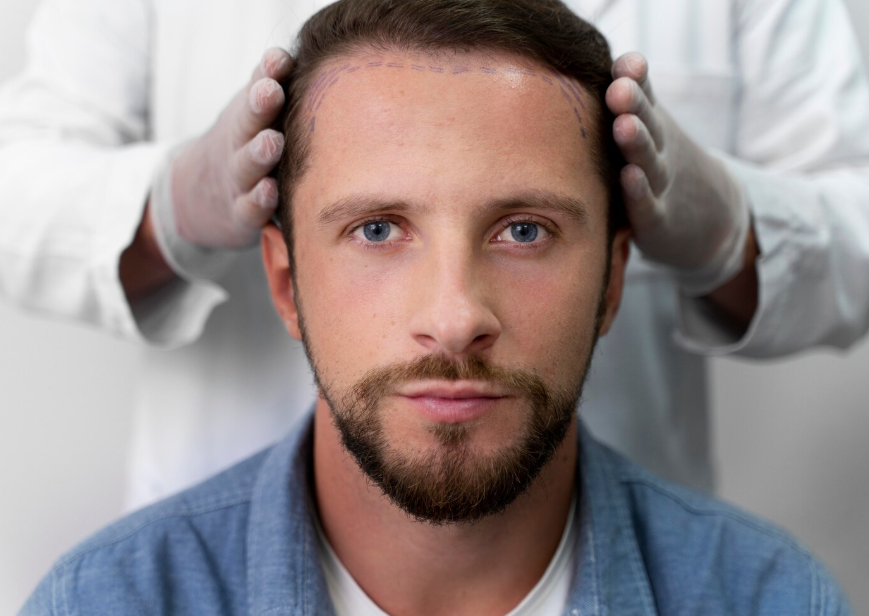

Hair is often seen as a physical trait, but anyone who has experienced hair loss knows it impacts far more than just appearance. Thinning hair or bald patches can affect self-confidence, emotional health, and even day-to-day interactions. The psychological connection between hair and identity is strong, and this makes hair restoration an important consideration not only for aesthetics but also for mental well-being.
In recent years, advances in medical science have made hair restoration safer, more natural, and more accessible than ever before. Alongside this, research continues to highlight the mental health benefits that follow successful hair restoration. For many people, it is not simply about regaining strands; it is about regaining balance, confidence, and peace of mind.
1. Hair and Self-Image: More Than Vanity
Hair carries cultural, social, and personal significance. In many societies, it symbolises youth, vitality, and attractiveness. For both men and women, losing hair often leads to a disconnect between how they feel internally and how they are perceived externally.
This disconnect can result in:
- Lower self-esteem – Feeling older or less attractive than peers.
- Increased self-consciousness – Avoiding photos, public events, or even simple social gatherings.
- Body image concerns – Struggling to align inner confidence with external appearance.
This isn’t about vanity; it’s about identity. Restoring hair helps realign the inner sense of self with outer reality, lifting a heavy psychological burden.
2. Psychological Impact of Hair Loss
Multiple studies show a strong link between hair loss and mental health challenges. Common effects include:
- Anxiety and depression: Worrying about ongoing loss or perceived judgment from others.
- Social withdrawal: Choosing isolation over interaction due to embarrassment.
- Workplace hesitation: Reluctance to pursue public-facing roles or leadership opportunities.
For many, addressing hair loss is not just about solving a cosmetic issue – it is about breaking free from these mental health challenges.
3. How Hair Restoration Improves Mental Well-Being
When patients undergo hair restoration, they often describe changes that extend far beyond the mirror. The most significant benefits include:
a) Renewed Confidence
Patients report greater comfort in social and professional spaces. Restoring a natural hairline or filling thinning areas can remove self-conscious barriers, allowing people to focus on interactions rather than insecurities.
b) Reduced Stress
Constant worry about hair loss can weigh heavily on mental health. Once restoration is complete, this stress often lifts, freeing up energy for more positive activities and relationships.
c) Stronger Identity
Many individuals say they feel “like themselves again.” Hair restoration reconnects inner confidence with outward appearance, helping people feel whole.
d) Long-Term Emotional Stability
Because modern procedures deliver permanent results, patients enjoy peace of mind knowing they no longer have to fight a losing battle against baldness. This sense of control supports long-term emotional resilience.
4. Advances Making a Difference
Today’s hair restoration treatments are advanced, minimally invasive, and tailored to individual needs. Popular methods include:
- Follicular Unit Extraction (FUE): Extracting individual follicles and transplanting them for natural results without linear scarring.
- Direct Hair Implantation (DHI): A refined technique for denser, more precise placement.
- PRP Therapy: Platelet-rich plasma injections stimulate healing and promote stronger hair growth.
- Low-Level Laser Therapy (LLLT): Non-invasive red-light treatment that supports follicle health and recovery.
These advancements ensure not only a physical transformation but also a smoother journey with less downtime, which contributes to mental ease throughout the process.
5. The Importance of Choosing the Right Clinic
While technology is important, the outcome depends heavily on where and with whom you place your trust. A reputable hair clinic in Mumbai or elsewhere will prioritise patient safety, realistic expectations, and holistic care. Choosing the right clinic ensures that the experience is positive from start to finish – reducing stress, improving satisfaction, and ultimately supporting both physical and mental outcomes.
6. Bloom Hair Transplant – A Patient-Focused Approach
Among clinics that have built trust through innovation and care, Bloom Hair Transplant stands out. By combining advanced surgical methods with a strong emphasis on patient well-being, Bloom ensures that the restoration process is as much about mental recovery as it is about physical results.
From in-depth consultations and personalised planning to comprehensive aftercare, Bloom’s approach makes patients feel supported at every step. The result is not only natural hair but also renewed confidence and mental clarity.
7. Looking Ahead – Hair Restoration as a Wellness Investment
It is time to stop viewing hair restoration as purely cosmetic. For many, it is a powerful step toward improved mental health. By restoring hair, patients often regain:
- Confidence to pursue new opportunities.
- Freedom to engage socially without hesitation.
- Relief from stress and negative self-perception.
This is why hair restoration is increasingly being recognised as a wellness investment – an investment not just in how you look, but in how you live and feel every day.
Hair Is Undeniably A Link To Your Mental Health
The link between hair restoration and mental well-being is undeniable. For those struggling with hair loss, the emotional toll can be just as significant as the physical changes. Fortunately, modern solutions offer more than regrowth – they offer relief, confidence, and peace of mind.
By choosing the right clinic and the right team, patients can embrace hair restoration as a transformative step toward better mental health. Because at the end of the day, restoring hair is about restoring balance – inside and out.