
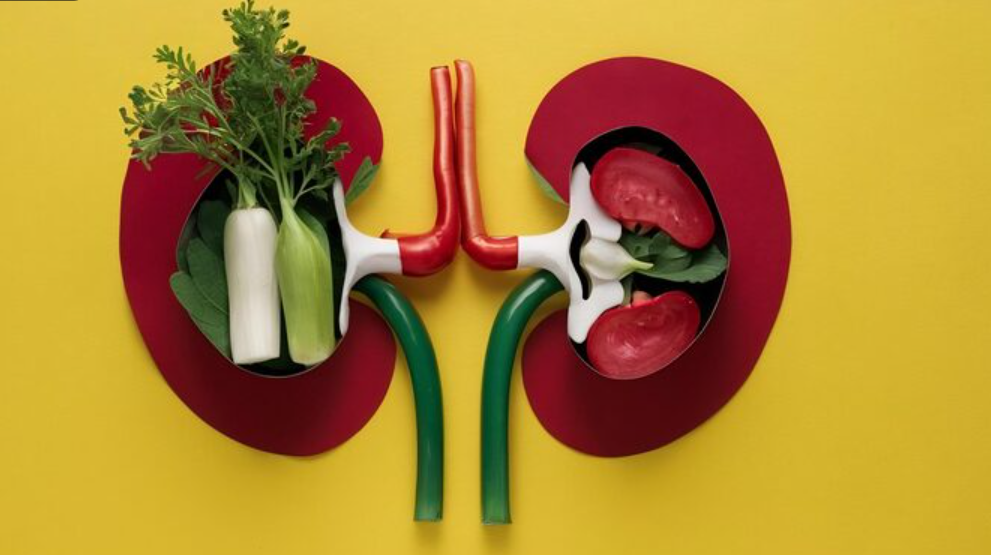

A lot of people search for supplements for kidney disease because they want to do something practical right away. That instinct makes sense. Kidney issues can make people feel worried, tired, and a little impatient for answers. Still, kidney support usually starts with the bigger picture, not the bottle. Food choices, blood pressure, blood sugar, medicines, and lab results matter a lot more than a catchy label does. The National Kidney Foundation puts much more weight on overall care and individualized nutrition than on self-started supplements.
The word best gets used too loosely in this space.
The phrase best kidney health supplements sounds simple, but it hides an important problem. What helps one person may be a bad choice for another, especially if kidney function is reduced. The National Kidney Foundation notes that not all vitamins are safe in chronic kidney disease, and some people should avoid certain supplements unless their healthcare professional recommends them. So the best product is not really a universal product. It is the one that actually fits the person’s kidney status, diet, and treatment plan.
Some vitamins and minerals can build up when the kidneys are struggling.
This part gets missed all the time because vitamins sound harmless. They are sold everywhere, after all. But the National Kidney Foundation says vitamins A, E, and K are usually not recommended as routine supplements in chronic kidney disease, and over-the-counter vitamin D or calcium should not be taken unless prescribed. NHS guidance also warns that people with chronic kidney disease should avoid potassium supplements because potassium levels can rise too high. That is why guessing is a bad strategy here.
There are times when kidney-specific supplements are actually needed.
This is where the topic gets more nuanced. Some people with kidney failure or on dialysis may need specially designed vitamins or minerals because treatment and diet restrictions can leave real gaps. NIDDK explains that hemodialysis can remove some vitamins from the body, and providers may prescribe supplements made specifically for people with kidney failure. That means supplements for kidney disease are not automatically wrong. They just need a clear medical reason behind them, not a marketing reason.
Herbal blends can quietly make things worse.
A supplement does not become safer just because it says natural on the front. The National Kidney Foundation warns that herbal supplements can worsen chronic kidney disease, interact with prescription medicines, or increase the risk of complications. That matters because many products sold as the best kidney health supplements are not simple vitamin formulas at all. They are mixes of herbs, extracts, powders, and minerals with vague promises around cleansing or support. Those are exactly the products that deserve more caution, not less.
Food and a renal dietitian still do most of the real work.
This part is less flashy, but it is grounded. NIDDK says healthy eating can help people with chronic kidney disease maintain a better balance of salts and minerals and may help delay some problems from CKD. As kidney disease progresses, nutritional needs can change, and a registered dietitian can help create a plan based on how the kidneys are doing. So even when supplements for kidney disease are part of care, they are usually filling a gap inside a larger plan, not replacing that plan.
Conclusion
The smartest way to think about kidney supplements is usually slower and more specific than supplement marketing makes it sound. At healthykidneyinc.com, readers can learn more about kidney-focused support with a clearer sense of what should be checked before buying anything new. Supplements for kidney disease may help in certain situations, especially when they are prescribed for dialysis, food restrictions, or a proven deficiency. The best kidney health supplements should never be chosen just because the label sounds reassuring. Speak with a qualified healthcare professional before starting any new supplement.