

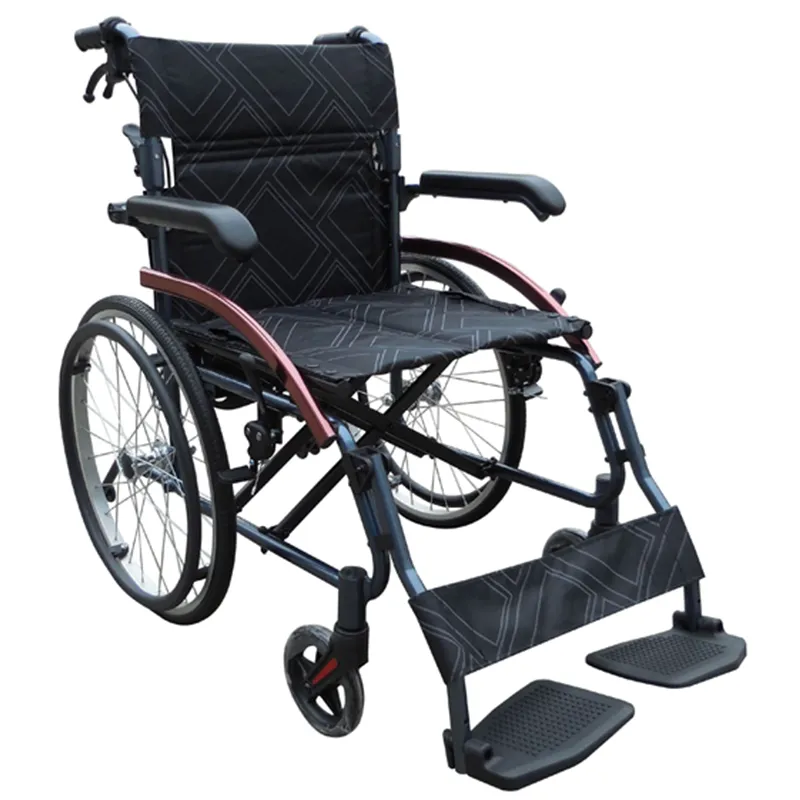
Buying wheelchairs directly from a manufacturing facility offers advantages many buyers overlook when they default to distributors or resellers instead. Prices run leaner without middleman markups, frame quality becomes easier to verify firsthand, and communication about customization tends to move faster without layers of forwarded emails. Whether you’re stocking a rehab center or a hospital procurement department, understanding what a genuine Aluminium Wheelchair Manufacturer in Argentina facility actually offers over standard distributors saves both money and unnecessary delays. This guide covers what to look for when sourcing directly.
Direct Factory Access Benefits
Working directly with a manufacturing facility cuts out the layers of markup that distributors typically add onto every single unit sold through their channels. Communication moves faster too, since questions about specifications go straight to people who actually build the product rather than a sales rep repeating information secondhand. Ask potential facilities whether they accept direct orders below typical distributor minimums, since some manufacturers still require large volume commitments that smaller clinics simply cannot justify realistically.
Frame Material Verification Onsite
Seeing raw materials and production processes firsthand, even through video calls if in-person visits aren’t practical, reveals more than any glossy brochure ever could honestly. A reputable Medical Walker for Children in Uruguay producer often welcomes this kind of transparency too, since confident manufacturers rarely hesitate to show their actual production floor. Ask about aluminum grade certifications specifically, request to see raw stock before it gets formed into frames, and don’t settle for vague reassurances about quality alone.
Customization Capabilities Worth Asking About
Facilities producing wheelchairs directly often offer more flexible customization than distributors reselling standard catalog models exclusively. Seat width, footrest configuration, armrest height- these details matter considerably for patient comfort over months and years of daily use. Ask whether customization requires minimum order quantities or comes with reasonable per-unit surcharges instead. A facility unwilling to discuss reasonable modifications likely isn’t set up for genuine direct sourcing relationships worth pursuing long term.
Quality Control Processes to Verify
Direct facility sourcing means quality control happens closer to the source, which should theoretically mean fewer defects reaching buyers eventually down the line. Ask about inspection processes at each production stage, not just final product checks before shipping occurs. Request defect rate data if available, since manufacturers confident in their processes usually track and share this information openly. Facilities dodging these questions likely have something worth hiding regarding their actual production standards.
Comparing Pricing Against Distributor Channels
Direct facility pricing should genuinely beat distributor pricing meaningfully; otherwise, the extra coordination effort involved simply isn’t worth the hassle for most buyers. Request itemized quotes covering base unit cost, customization fees, and shipping arrangements clearly spelled out in writing before deciding anything. Compare against at least one distributor quote too, just to confirm the direct sourcing route actually delivers real savings rather than assumed ones based purely on theory.
Shipping Logistics From Manufacturing Sites
Ordering directly from a facility sometimes means handling logistics that distributors normally manage on a buyer’s behalf without much thought required. Confirm whether the manufacturer handles export documentation themselves or expects buyers to coordinate customs clearance independently across borders. Ask about realistic shipping timelines from the actual production facility, not generic estimates that don’t account for manufacturing lead time before goods even leave the building.
Building a Long-Term Facility Relationship
Direct sourcing works best as an ongoing relationship rather than a one-time transaction, since repeat buyers often unlock better pricing and priority production scheduling over time. Ask facilities about volume discounts for recurring orders, along with whether dedicated account support becomes available once a working relationship gets established properly. Facilities investing in long-term partnerships tend to communicate more proactively about production delays or material changes affecting future orders.
Conclusion
Sourcing wheelchairs directly from a manufacturing facility takes more upfront coordination than working through a standard distributor, but the savings and transparency often justify that extra effort considerably. From material verification to realistic pricing comparisons to shipping logistics, each factor shapes whether direct sourcing genuinely benefits a facility’s procurement needs over time. Taking the extra steps to verify production quality and build a real working relationship pays off substantially once orders become recurring rather than one-off purchases handled reactively.