
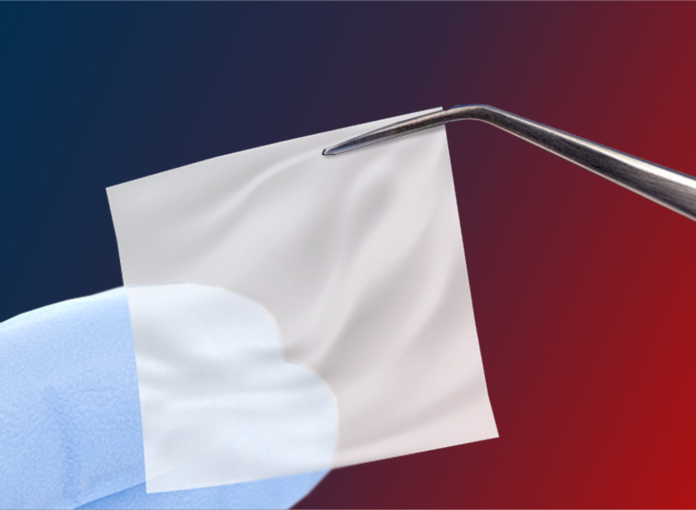

Advanced wound treatment has become an important focus in modern healthcare, especially for patients experiencing chronic or complex injuries. Medical professionals increasingly rely on innovative solutions to support recovery and protect damaged tissue. Among these developments, Skin Substitutes for Wound Care in USA have become valuable tools in clinical environments.
These products help mimic natural skin functions while encouraging the body’s own healing response. For hospitals, clinics, and wound care specialists, having dependable medical supplies available is essential. Access to reliable products allows healthcare providers to deliver precise treatment and maintain high standards of care for patients who require specialized wound management.
The Growing Need for Advanced Wound Care
Chronic wounds and severe injuries can be difficult to treat using traditional methods alone. Conditions such as diabetic ulcers, surgical wounds, and burns often require specialized materials to encourage proper healing. Advanced wound care technologies support tissue repair by protecting injured areas and maintaining a suitable environment for recovery. As healthcare systems continue to treat complex cases, the demand for innovative medical solutions grows. Modern wound care products allow clinicians to approach treatment with greater precision, improving both patient comfort and long-term outcomes.
Understanding the Role of Skin Substitutes
Skin substitutes are medical materials designed to replicate certain properties of human skin. These products provide temporary coverage and create a protective layer that supports healing. They also help maintain moisture, protect the wound from external contaminants, and support tissue regeneration. By assisting the body’s natural repair process, these substitutes help clinicians manage difficult wounds more effectively. Their development reflects advances in medical science that combine biological knowledge with engineered materials to create reliable therapeutic tools.
Reliable Distribution in Healthcare Systems
Consistent access to specialized medical materials is critical for healthcare providers. This is where a Tissue Bank Distributor Service in USA becomes essential within the supply chain. These services ensure that certified biologic products and tissue materials reach hospitals and clinics under controlled conditions. Proper storage, regulated transport, and compliance with medical standards are key responsibilities of distributors. By maintaining these processes, healthcare providers receive dependable resources that allow them to focus on patient treatment rather than supply concerns.
Commitment to Service in Medical Supply
Medical supply organizations that prioritize integrity and reliability play an important role in healthcare delivery. Many suppliers emphasize values such as dedication, responsibility, and service to support medical professionals. Companies founded on strong principles often focus on helping those who care for others by ensuring access to trusted equipment and materials. These values encourage partnerships built on professionalism and accountability, allowing healthcare providers to obtain dependable medical products that contribute to effective treatment and patient safety.

Supporting Healthcare Professionals
Healthcare professionals rely on consistent supply chains to deliver quality care. When clinicians have access to dependable wound care materials, they can concentrate fully on patient needs rather than logistical challenges. Reliable distribution networks support hospitals, surgical centers, and outpatient clinics by ensuring essential products remain available. This stability strengthens healthcare systems and allows medical teams to maintain treatment schedules, manage patient recovery effectively, and continue providing high standards of care across various medical settings.
Clinical Safety and Regulatory Standards
Medical products used in wound care must meet strict regulatory guidelines. Safety testing, product certification, and compliance with national healthcare standards are essential steps before these materials reach clinical environments. Distributors and suppliers are responsible for maintaining these requirements to protect patients and healthcare professionals. By adhering to recognized safety protocols, medical supply providers ensure that products used in treatment meet the expectations of modern healthcare practice. These safeguards help maintain trust throughout the medical community.
Supporting Healing Through Advanced Solutions
Access to skin substitutes for wound care in the USA continues to support medical professionals in treating complex wounds and improving patient recovery. When combined with dependable supply networks and strong service values, these advanced materials strengthen the overall healthcare system. Reliable medical resources allow clinicians to perform their work with confidence, ensuring patients receive treatment supported by both innovation and dedication to care.