
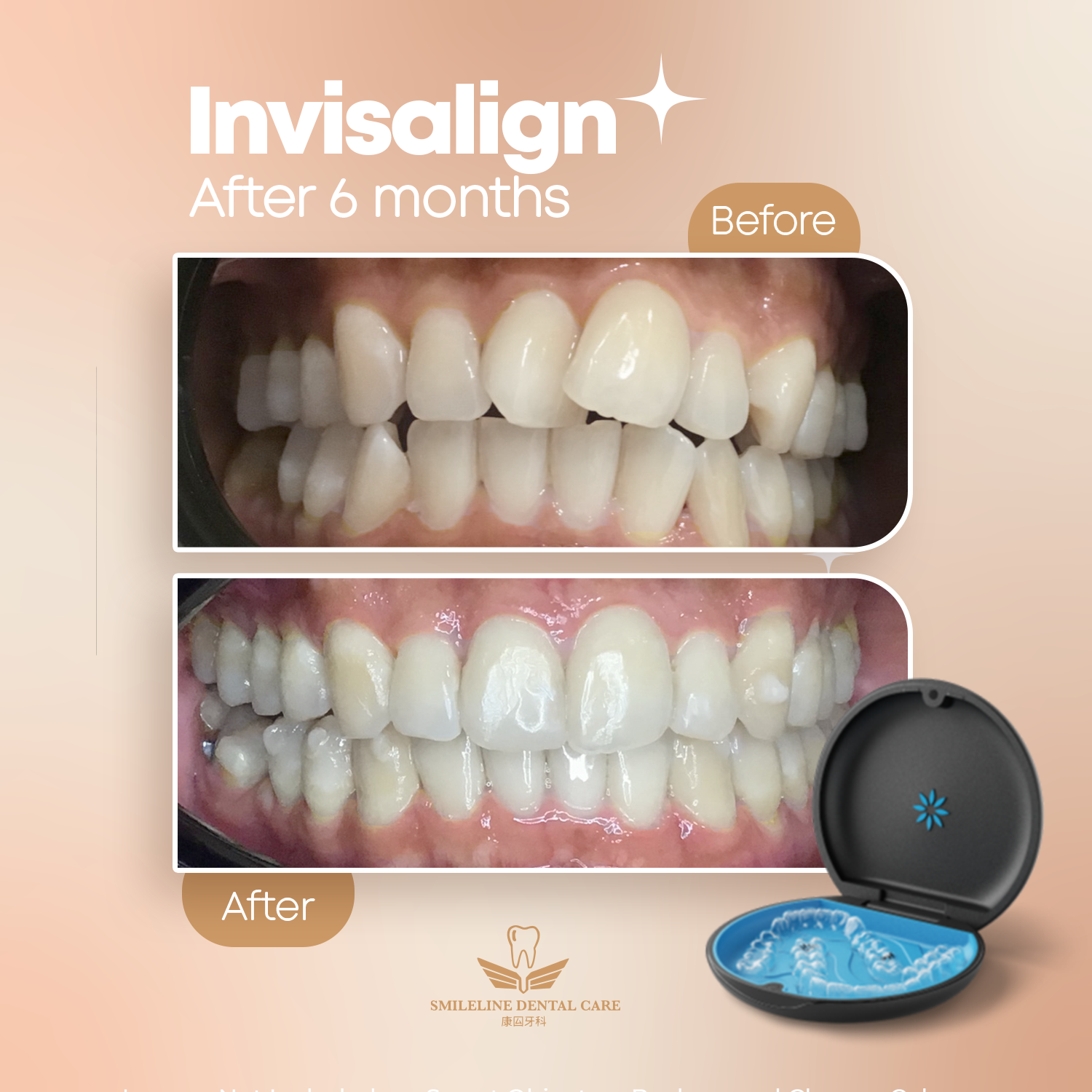

Many adults would like straighter teeth but worry that orthodontic treatment will interfere with work, social events, travel or daily routines. Clear aligners provide a less noticeable approach because they use removable trays rather than fixed brackets and wires. However, successful results still depend on correct diagnosis, consistent wear, careful cleaning and regular professional reviews.
Understanding the process before starting helps patients decide whether clear aligners suit their dental needs and lifestyle.
Begin with a Complete Dental Assessment
Straightening teeth should begin with an examination of the whole mouth, not simply a digital scan. The dentist needs to assess the teeth, gums, bite, previous dental work and any active problems. Cavities, gum disease, broken restorations or unresolved pain may need attention before orthodontic movement begins.
When choosing a dental clinic Ara Damansara, patients should ask how suitability is assessed and who will supervise treatment. Clear aligners can manage many alignment concerns, but they are not right for every person or every type of bite. Some cases may be treated more predictably with fixed braces, a combined approach or additional specialist assessment.
How Clear Aligners Move Teeth
Clear aligner treatment uses a planned series of custom-made trays. Each set applies controlled pressure to selected teeth, gradually guiding them towards their intended positions. Patients change to the next aligner according to the dentist’s instructions, while scheduled reviews allow progress to be checked.
Small tooth-coloured attachments may be placed on certain teeth to help the trays produce specific movements. Some patients may also need limited reshaping between teeth to create space. These steps should be explained before treatment so expectations remain realistic.
Consistency Is the Main Daily Responsibility
Because aligners are removable, the patient controls how consistently they are worn. They generally need to remain in place for most of the day and night, coming out mainly for meals, drinks other than water, brushing and flossing. Frequently leaving them out can slow progress or prevent the next tray from fitting correctly.
People considering Invisalign clear aligners Ara Damansara should think honestly about their routine. Someone who snacks throughout the day, attends long business lunches or often forgets personal items may need a system for tracking wear time. Phone reminders, a protective case and a small travel dental kit can make compliance easier.
Eating, Drinking, and Cleaning Habits
One advantage of removable aligners is that patients can eat without brackets or wires in the mouth. The trays should still be removed before eating. Drinking sugary, acidic or strongly coloured beverages while wearing them may trap liquid against the teeth or make the trays look cloudy.
After meals, patients should clean their teeth before reinserting the aligners whenever possible. The trays also need gentle daily cleaning using the method recommended by the provider. Very hot water should be avoided because heat may distort the plastic. When removed, aligners should go directly into their case rather than a tissue, pocket or table surface.
What to Expect During the First Weeks
A new aligner may feel tight when first inserted because it is designed to move the teeth. Mild pressure or tenderness can occur after changing to the next set. The sensation often becomes easier as the mouth adapts. Sharp edges, persistent pain, poor fit or a damaged tray should be reported to the clinic.
Speech may sound slightly different at first. Reading aloud or speaking normally can help the tongue adjust. Most patients become less aware of the trays once wearing them becomes part of their routine.
Reviews Still Matter
Digital planning can support treatment, but it does not remove the need for professional monitoring. Reviews allow the dentist to check whether teeth are following the plan, attachments remain secure, gums stay healthy, and aligners continue to fit.
Patients should not move ahead to extra trays, alter attachments or stop treatment without advice. If an aligner is lost, the clinic should guide the next step, which may involve wearing the previous tray, moving forward, or arranging a replacement.
Retention Protects the Result
Teeth can shift after active orthodontic treatment, so retainers are an essential part of the plan. The dentist will explain how often they should be worn and when they may need replacement. Retention should be viewed as a long-term responsibility rather than an optional final step.
Conclusion
Clear aligners can fit well into a busy adult lifestyle, but their success relies on preparation and discipline. A complete assessment, realistic treatment plan, consistent wear, good hygiene, scheduled reviews and proper retention all contribute to a stable outcome. Adults who understand these responsibilities are better prepared to manage treatment confidently and protect the results after the final aligner.