

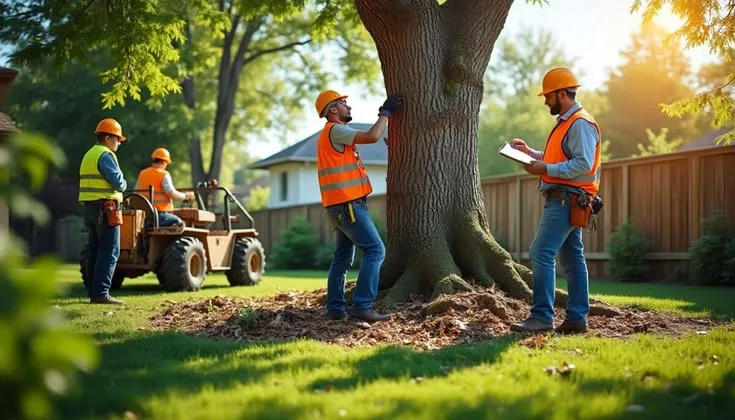
Trees can improve a property’s appearance, provide shade, and create a welcoming outdoor environment. However, without regular attention, they may develop structural problems that remain unnoticed until branches fall or growing roots interfere with surrounding areas. Preventive maintenance helps property owners recognize these concerns before they become more complicated. Hiring a professional provider of Tree service San Jose, CA can be an important part of managing established landscapes. Routine inspections, appropriate pruning, and timely maintenance help preserve trees while reducing avoidable risks around buildings and outdoor spaces.
Small Problems Often Develop Gradually
A tree rarely becomes hazardous without showing some warning signs. Dead branches, unusual leaning, damaged bark, and changes in leaf growth may indicate that closer attention is necessary. Unfortunately, these conditions can be overlooked when trees continue to appear healthy from a distance.
Property owners should observe their trees throughout the year rather than waiting for visible damage. Changes in branch structure or the surrounding soil can provide useful clues. An arborist can investigate suspicious conditions and determine whether maintenance or further assessment is appropriate.
Preventive Maintenance Protects Surrounding Structures
Large branches growing close to rooftops, fences, and exterior walls can cause problems during windy weather. Even without storms, repeated contact with buildings may damage surfaces or interfere with drainage systems.
Thoughtful pruning can create appropriate clearance while preserving a tree’s natural structure. However, removing too much foliage can weaken a tree and encourage undesirable regrowth. Professional judgment is therefore important when deciding how much pruning is necessary.
Understanding When Removal Becomes Necessary
Not every damaged tree needs to be removed. Some trees can remain in place following selective pruning, structural support, or other appropriate care. The best decision depends on species, condition, location, and the likelihood of future failure.
When a tree has extensive decay or presents an unacceptable risk, removal may become the safer option. Property owners considering Tree removal Santa Clara, CA should seek an assessment that considers nearby buildings, access limitations, and applicable local requirements.
The objective should be to address genuine hazards without unnecessarily removing trees that can be safely maintained.
Seasonal Changes Influence Tree Care
Weather conditions affect how trees grow and respond to maintenance. Extended dry periods may create stress, while strong winds can expose weaknesses in branches or trunks. Different species also have different pruning requirements.
A maintenance plan should account for these variations rather than applying identical treatment to every tree. Appropriate timing can reduce unnecessary stress and support healthier recovery after pruning.
What Property Owners Can Monitor
Regular observation does not replace professional inspections, but it can help identify changes requiring attention. A simple checklist makes monitoring more consistent.
-
Look for dead, hanging, or visibly cracked branches.
-
Observe changes in the tree’s leaning angle.
-
Check for significant bark damage or exposed decay.
-
Notice unusual soil movement near major roots.
-
Watch for branches interfering with structures.
-
Record changes in foliage during the growing season.
These observations can help tree care professionals understand when a problem first appeared and whether it has progressed.
Maintenance Is Often Easier Than Crisis Management
Emergency tree work can involve difficult access, damaged structures, and unstable branches. Such situations may require specialized equipment and additional safety precautions. They can also interrupt ordinary household or business activities.
Scheduled maintenance allows property owners to evaluate options without the same immediate pressure. It creates opportunities to compare recommendations, plan expenses, and coordinate work around normal property use.
Preventive care cannot eliminate every risk, particularly during severe storms. Nevertheless, it provides a more organized approach to managing tree conditions over time.
Choosing Qualified Tree Care Professionals
Tree maintenance can involve work at height, heavy equipment, and considerable physical hazards. Property owners should therefore evaluate contractors carefully before authorizing services.
Ask about relevant experience, insurance, safety procedures, and the proposed scope of work. A written estimate should explain the intended services, cleanup responsibilities, and any additional conditions that could affect the project.
Professional recommendations should also consider preserving healthy trees whenever practical. Responsible care involves understanding when intervention is beneficial and when unnecessary cutting should be avoided.
Conclusion
Preventive tree care supports safer outdoor spaces, healthier landscapes, and better long-term property planning. Recognizing warning signs early allows owners to address manageable problems before they develop into urgent situations. Regular assessments and appropriate maintenance can also help preserve valuable mature trees. For residential and commercial property owners seeking experienced tree maintenance resources, communitytree.com provides information about professional services designed to address different landscape conditions and property requirements.