

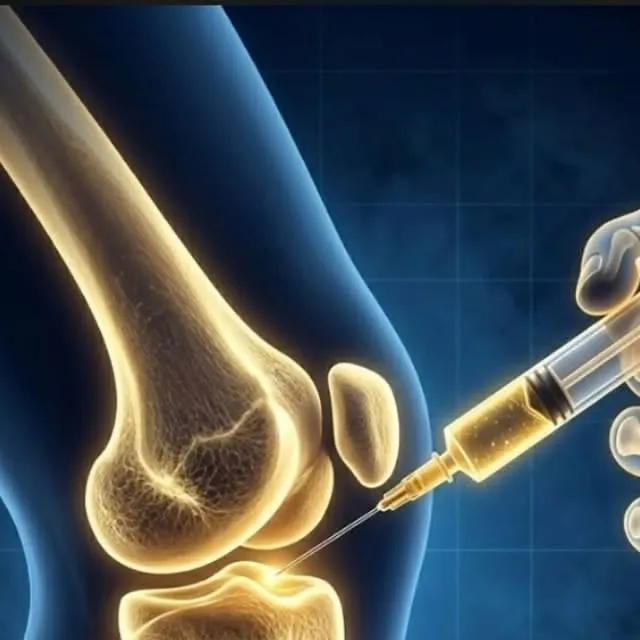
A painful shoulder can make reaching a shelf difficult, while a sore knee may turn stairs into an unwanted challenge. Joint symptoms can arise from several causes, and the right approach depends on identifying what is actually happening. People researching joint pain treatment peoria az may encounter information about injections alongside physical therapy, medication, and other measures. Injections can have a role for selected conditions, but they are not automatic solutions. Understanding how clinicians evaluate joint pain helps patients weigh whether a procedure is appropriate for their circumstances.
Begin With an Accurate Diagnosis
Joint discomfort may result from arthritis, inflammation, injury, referred pain, or conditions affecting nearby tissues. Similar symptoms do not always indicate the same problem, so a careful history and examination come first.
Clinicians may consider swelling, range of motion, stability, and whether the pain changes with particular movements. Imaging or laboratory tests are ordered when the results could meaningfully affect the next decision.
Why Conservative Care Often Comes First
Many joint problems are initially managed with activity adjustments, guided exercise, physical therapy, or appropriate medicines. These steps can improve strength, flexibility, and confidence without requiring an invasive procedure.
The right plan depends on the joint and diagnosis. Patients should avoid assuming that complete rest or pushing through severe pain is always beneficial; individualized guidance matters.
What a Joint Injection May Do
An injection places medication into or near a targeted joint. Depending on the diagnosis, clinicians may use corticosteroid medication or another approved approach to help manage symptoms.
The likely duration of relief varies, and some people experience little benefit. Repeated injections may carry additional risks, so decisions about frequency should be made with the treating clinician rather than on a fixed personal schedule.
Questions Worth Asking About Procedure Safety
Before consenting, patients should understand the purpose of the procedure and any factors that might change its safety. Relevant considerations can include infection, bleeding risk, diabetes, medication use, and previous reactions.
Image guidance may be used for certain joints or situations. Patients should ask whether it is recommended for their procedure, what discomfort to expect, and when normal activities can resume.
The Value of a Wider Pain Assessment
Pain felt near a joint may sometimes involve nerves, tendons, surrounding muscles, or the spine. A clinician should consider these possibilities rather than assuming the joint itself is the only cause.
Someone seeking a pain specialist near me may benefit from asking whether the evaluation will include movement, neurological symptoms, and prior treatments. Coordinating care with an orthopedist or physical therapist can be appropriate when the underlying issue requires it.
A Practical Decision Checklist
A procedure should fit a defined goal. Patients can compare available options by asking straightforward questions instead of deciding solely because an injection is offered.
Before proceeding, consider:
-
What diagnosis is the injection intended to address?
-
What benefits are realistic, and for how long?
-
Which risks apply to my medical history?
-
What alternatives are reasonable?
-
What rehabilitation is needed afterward?
-
How will we judge whether it worked?
These questions also help set expectations. Temporary symptom reduction may make rehabilitation easier, but an injection does not necessarily reverse the underlying joint condition.
Track Function, Not Just Pain
A patient might report a lower pain score yet still struggle with walking or lifting. Conversely, a modest change in discomfort may come with meaningful improvement in daily movement.
Monitoring practical goals—such as climbing a flight of stairs or completing household tasks—provides useful context during follow-up. Treatment may need adjustment if function remains limited.
When Symptoms Need Immediate Evaluation
A suddenly hot, swollen joint with fever, inability to bear weight following injury, or rapidly worsening symptoms can indicate conditions that need urgent medical attention. These situations should not wait for an elective injection appointment.
For longer-standing discomfort, timely assessment remains important when swelling, instability, or reduced mobility is progressing. Early evaluation can prevent unnecessary delay in identifying the cause.
Conclusion
Joint pain management should ultimately help people participate more comfortably in the activities that matter to them. Although injections may be appropriate in certain circumstances, their usefulness depends on the underlying diagnosis and individual health considerations. Patients researching available options through mountainviewheadacheandspine.com can learn about interventional services before discussing them with a clinician. Whether the goal is climbing stairs, returning to exercise, or performing household tasks, treatment decisions should prioritize meaningful function rather than relying exclusively on temporary pain reduction.