

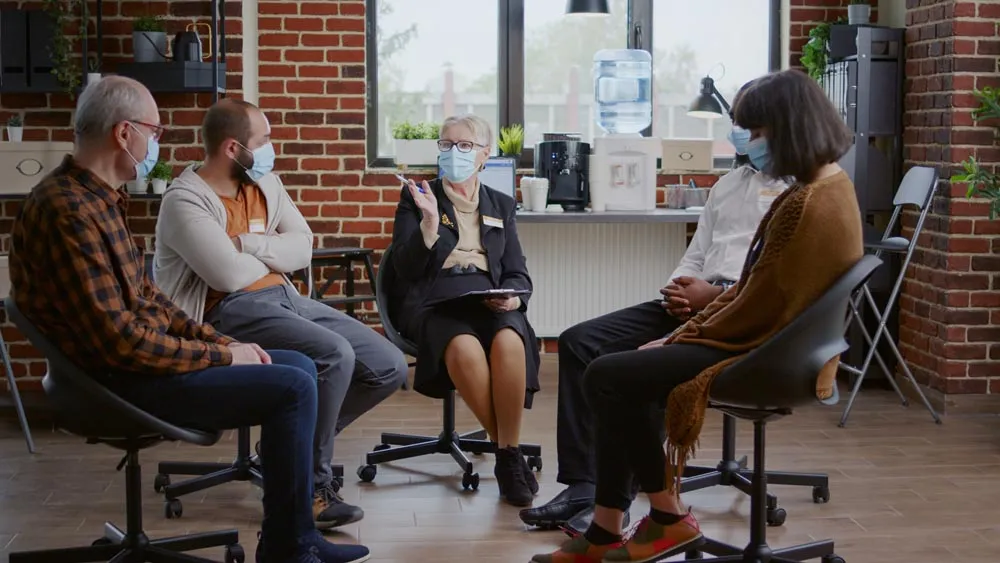
Recovery does not take place in isolation from housing, employment, transportation, and relationships. A person may make meaningful progress in treatment yet still face serious daily obstacles afterward. People considering Behavioral health services in Bakersfield CA may benefit from asking how programs connect clinical work with practical community resources. Effective planning recognizes that stable routines and access to services can influence how manageable the next steps feel.
Start With Immediate Safety and Stability
Housing insecurity can make appointments, rest, and consistent routines harder to maintain. Discuss current living conditions with a qualified treatment or support professional when planning care.
An appropriate response may involve referrals to housing or community services. Availability and eligibility vary, so confirm specific options directly with the relevant organization.
Understand Structured Living Options
A sober living environment can provide rules, routines, and peer accountability for some people. It is not identical to residential clinical treatment or emergency housing.
Ask about expectations, fees, eligibility, house policies, and links to outside care. A structured setting should be evaluated for suitability rather than treated as a universal solution.
Financial planning may also need attention. Transportation expenses, paperwork, missed work, and housing deposits can become obstacles even when someone is committed to treatment. A practical support conversation should identify the most immediate costs and whether appropriate community assistance might be available.
Consider Transportation Barriers
Missed appointments may result from unreliable transportation rather than lack of commitment. Map routes, travel time, and backup options as part of scheduling.
A support worker or trusted contact may help identify local resources. Clear practical planning can make continued care more accessible.
Approach Employment Gradually
Returning to work can offer routine and income, but schedules should be compatible with current treatment needs. Consider job demands, travel, and recovery-related commitments.
Employment support may include community programs or referrals. Individuals can ask providers about available resources without assuming that placement is guaranteed.
Create a Practical Document Checklist
Identification, benefit information, appointment details, and important contacts are easier to manage when organized securely. Start with what is essential for immediate next steps.
Avoid sharing sensitive records with unnecessary parties. Care coordinators can clarify which documentation is truly required for a particular referral.
The person receiving support should help choose which goals come first. A provider can offer guidance, but individual priorities and changing circumstances matter. Revisiting the plan periodically makes it possible to celebrate useful progress, recognize barriers early, and adjust services without treating every unexpected challenge as failure.
Strengthen Supportive Relationships
Peers, family, and community groups may provide connection and encouragement. A supportive relationship respects boundaries and individual decisions.
People researching Kern family Bakersfield services can ask which family or community involvement opportunities are currently offered and whether participation requires consent.
Coordinate Services Rather Than Duplicating Them
Different organizations may address treatment, housing, benefits, or employment. With appropriate permissions, coordination can help prevent conflicting plans and repeated assessments.
Ask who serves as the main contact and how changes are communicated. Clear roles matter when several providers contribute to a person’s support network.
An intake team may be able to explain which resources it provides directly and which require outside referrals. Those distinctions matter: treatment services are not the same as guaranteed housing or employment placement. Accurate expectations help individuals and families plan practical alternatives.
Measure Progress Beyond a Single Milestone
Stable housing, attended appointments, improved coping skills, and healthier daily routines may all be meaningful developments. Goals should be individualized and reviewed over time.
Challenges do not erase prior effort. A flexible support plan responds to changing circumstances and includes professional reassessment when needed.
Community support may change over time, so contact details and eligibility information should be checked before they are relied upon. Keeping a current referral list can save considerable effort during transitions, particularly when transportation or appointment schedules change unexpectedly.
Conclusion
Community-based recovery planning considers the real conditions in which people live. Treatment, housing, work, and relationships may require different supports that function best when coordinated respectfully. Bakersfieldrecoveryservices.com describes treatment programs and a sober living environment focused on life skills and stability. Individuals can ask providers how available services and referrals may support an appropriate, sustainable path forward.