

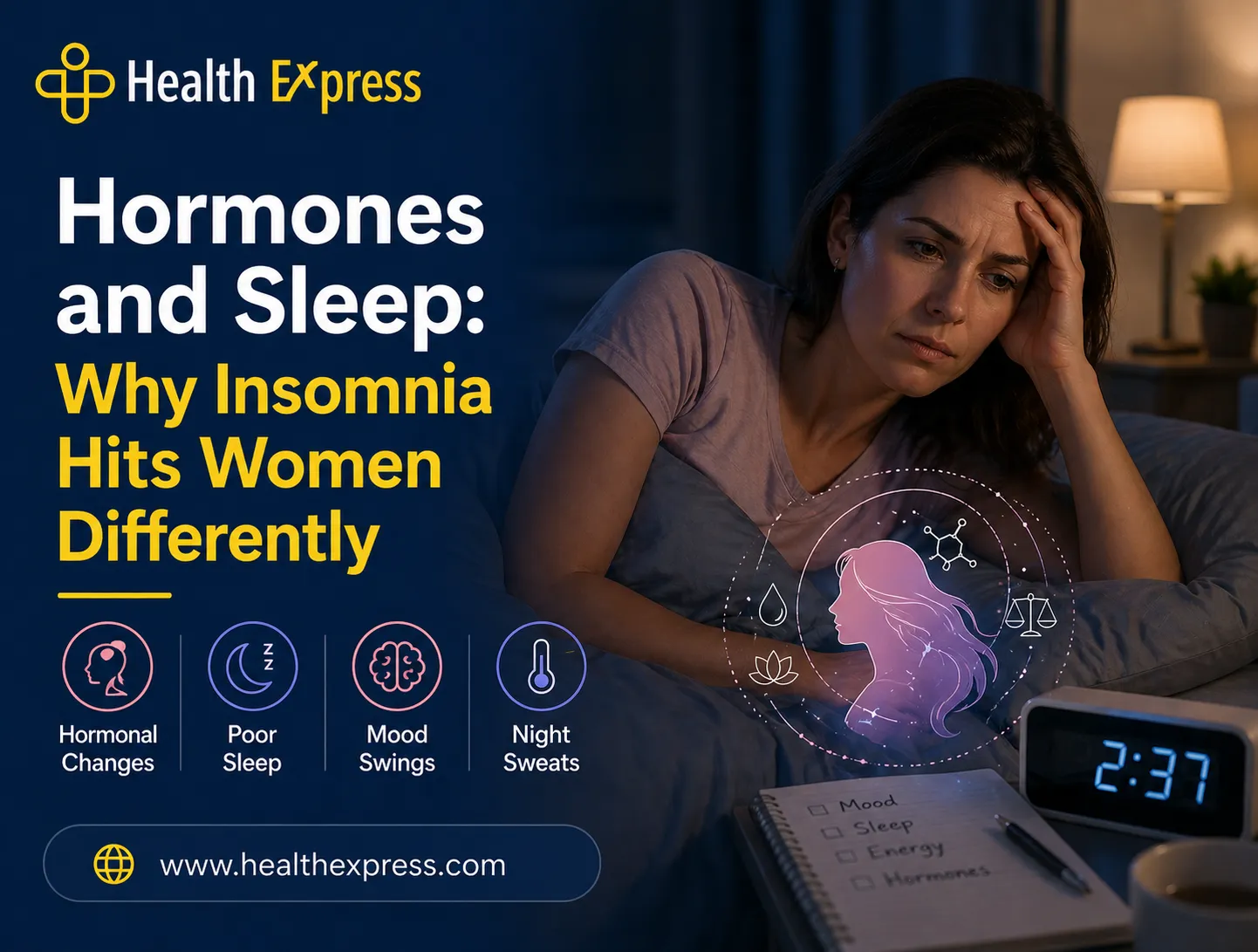
Hormones and sleeping hang out pretty well with each other, but somehow you’d miss that connection. Various stages in life seem to go out of balance with sleeping; sometimes, it isn’t addressed due to hormonal ups and downs. Estrogen, progesterone, and cortisol have control over the internal clock, heat regulation, and mood stabilization. When their levels waver, this affects optimal sleep onset; whereas some may confront early awakenings.
For severe cases of untreated insomnia, treatment sometimes opts for temporary medication along with some lifestyle changes. Talks about treatment may refer to categories of drugs that people generally link with terms such as sleeping tablets online, particularly if sleep disturbance starts to affect daily life.
How Hormones Influence Sleep Patterns
Among the neurochemicals that ease the mood and have a calming effect are estrogen and progesterone, acting as naturally calming elements that can support the sedative condition. Should the supplementation be withdrawn, the machinery within the nerves can overreact.
This feeling of full alertness can lead to a period of poor sleep or sleep that is shallow, interrupted regularly, or difficult to come by. Certain symptoms of hormonal imbalance can contribute to disrupted sleep, such as night sweats. Body heat affects sleeplessness.
If distress ensues, the next steps to engage may be drugs that will calm the nervous system to help. Information online may also declare a wide variety of drugs to help with sleep, with the approach of linking sleepiness with drugs; for short-term sleep improvement, the medicine acts as a sedative of some kind, similar to zolpidem for sale.
Sleep Changes During the Menstrual Cycle
Many females seem to have noticed that their slumber becomes increasingly troubled in the days leading up to menses. It is during this phase that the hormone levels are seen to decrease; it appears to be the lack of these that makes it easy to become irritable and rather difficult to be relaxed in bed.
Simple adjustments can make a difference. Reducing caffeine intake, maintaining a regular sleeping schedule, and keeping a cooler sleep area can all contribute to a good night’s rest. On nights when severe sleep disruptions develop, healthcare providers may, if appropriate, discuss potential avenues for temporary relief, and sometimes prescribe medications, thrown around in general conversation as sleeping tablets online.
Drugs are used mostly as a part of a multifaceted lifestyle adjustment rather than replacing them.
Pregnancy and Restlessness
Pregnancy triggers immense hormonal shifts, which in turn bring about various physical alteration that disrupts sleep. High levels of progesterone are chiefly held as causative agents responsible for daytime drowsiness, while, on the flip side, physical discomfort, heartburn, or frequent awakening depress the quality of sleep during the night.
But supportive pillows, gentle stretching, and regular sleep routines help aid relaxation. When insomnia is deemed to significantly affect one’s health, doctors may evaluate the need for short-term treatment by considering prescription medications. Educational talks surrounding these options sometimes feature the demand for zolpidem for sale, especially as some drugs are said to help patients sleep soundly.
Menopause and Long-Term Insomnia
It just so happens that menopause is the most common time of a woman’s life when she may experience persistent difficulty in getting sleep. The decline in estrogen due to hormonal dynamics directly results in hot flashes and night sweats, the usual culprits of sleep disruption, and is really so disruptive. On the other side of the same coin falls the deep, rejuvenating sleep, leaving many a woman tired despite many hours of going to bed.
Moreover, the effects of mood swings, anxiety-laden emotions, and confusion during this age could exacerbate sleep problems. Re-introducing relaxation techniques, maintaining regular exercise, and having habituated sleeping time come from this right gateway that appears to lead to more normal conditions.
For those who suffer badly from insomnia, various tools and approaches generally provide medical support in the form of online sleeping pills for very short periods.
Emotional Factors and Nighttime Anxiety
Hormonal changes may affect both emotional regulation and physical comfort. Anxiety and racing thoughts often become more pronounced during the night when the mind has less to do and consequently is quieter. This state of mental activity tends to delay sleep in the presence of a body that might feel tired.
Practices like deep breathing, progressive muscle relaxation, or mindfulness can be beneficial in calming the nervous system. In cases wherein both anxiety and insomnia occur, doctors might think of treating both problems. Descriptive tools of these medications sometimes closely resemble zolpidem for sale when explaining how these drugs act on the brain.
Handling sources of stress and one’s mental well-being becomes a crucial part in the development of sleep over time.
Lifestyle Habits That Support Hormonal Balance
Good sleep is known to be provided by vital healthy sleep routines. Morning exposure to natural light is one way to help regulate the body’s internal clock, and putting away onscreen entertainment for sleep underpins the melatonin cycle, while athletic exercise encourages good blood circulation, stress reduction, and brilliant sleep.
In addition, a good diet and hydration are required. Indeed, balance in the diet, restful everyday lifestyles, and a scrupulous avoidance of the consumption of caffeine after a certain time evince some competence in halting the incursion of sleeplessness and heavy nightmares. Most positively, such steps will do well to steady the ebb and flow of energy, hunger, hormone regulation, and so much more in pursuit of deep sleep hours.
A Balanced Perspective
At times, lack of sleep could establish a complex bond between hormones, lifestyle, and mental health in a woman’s life. With these connections clearly established, an individual approaches sleep problems with reality and clarity.
Treatment could involve behavioural approaches, relaxation methods, and in some instances, a short-term medication program, sometimes mentioned in general terms that include expressions such as “online sleeping tablets” or “zolpidem for sale” when referring to sleep aids. The most important thing, however, is dealing with the root causes of insomnia.
By remaining alert and with the relentless application of patience-teaching skills, many women gradually learn to make sleep situations improve so that they wake up with good energy, good mood, and fortitude.